Mikhail Bogomolny is a certified court interpreter (English–Russian) with the Judicial Council of California and a registered court interpreter in New York. He interprets in simultaneous, consecutive and sight modes for courts, law firms, insurers and agencies, in person in Los Angeles and Orange counties, by travel anywhere in the U.S., and remotely nationwide.
Which proceedings does he cover?
- Criminal: arraignments, hearings and trials
- Civil, contract, property and commercial disputes; probate; employment
- Family law: divorce, custody, support, restraining orders
- Small claims and unlawful detainers (evictions)
- Depositions and EUOs; IME, QME and AME exams
- Administrative hearings, arbitrations, mediations and attorney–client meetings
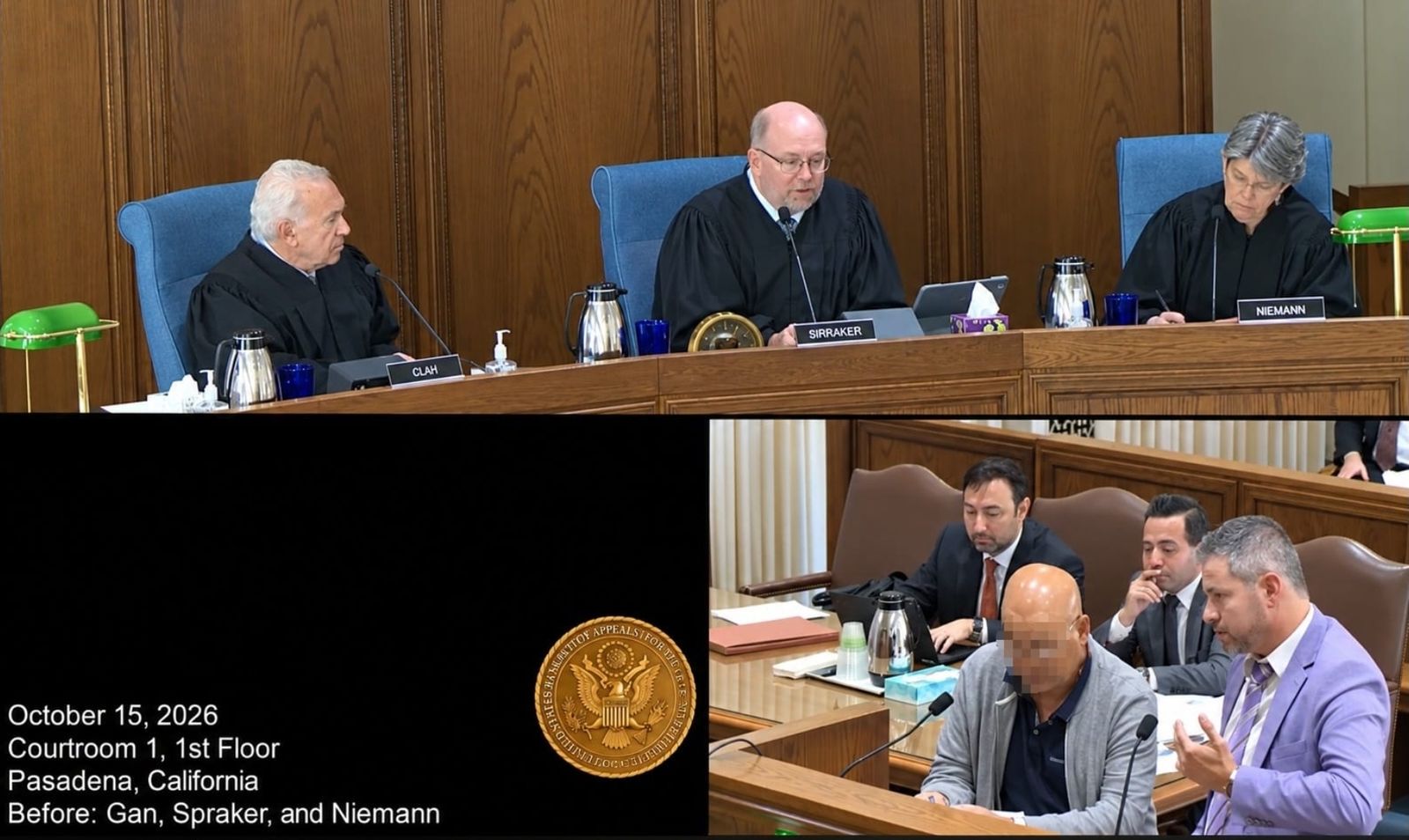
- Federal matters, including the U.S. Bankruptcy Appellate Panel of the Ninth Circuit
Why attorneys book Mikhail
Certified and registered
California certified, New York registered, bound by court interpreter rules on accuracy, impartiality and confidentiality.
Every mode, every word
Simultaneous, consecutive and sight translation, in person or on Zoom, Teams and WebEx, always first person and complete.
Russian, Ukrainian and Hebrew exhibits
Sight-translated on the record or translated in advance with a certificate.
Understands the law
Trained in contract and immigration law, so the interpretation is precise exactly where the outcome is decided.
Frequently asked questions
Simultaneous or consecutive?
Both. Witness testimony is usually consecutive. Proceedings the client follows, such as hearings and arguments, are usually simultaneous. Documents can be sight-translated on the record.
Can a deposition be interpreted remotely?
Yes, on Zoom, Teams or WebEx. The court reporter and counsel can be in different places; the interpreter joins the same platform.
Does Mikhail work on New York matters?
Yes. He is a registered court interpreter with the New York State Unified Court System and takes New York assignments remotely.
Are assignments from insurers and agencies accepted?
Yes: EUOs, recorded statements, medical-legal evaluations and administrative hearings.
Will the court provide an interpreter, or do I need to hire one?
Immigration court always provides an interpreter at no cost to you. Make sure the court knows you need one: ask ahead of the hearing, ideally in person, or have your attorney file a motion for an interpreter.
California state courts provide interpreters by priority. In criminal cases the court always provides one at no cost, because every defendant has the right to equal access to justice. In civil and lower-priority family law cases it isn't guaranteed, so find out ahead of time: unlawful detainer cases usually have a court interpreter, while small claims almost never do; child support cases will have one, spousal support petitions not always. In civil disputes over money the court rarely provides one, and you need to hire a court-certified interpreter yourself. The person who hires the interpreter usually pays, unless the parties agree otherwise or the cost is split in a settlement or by the judge.
What is a certified court interpreter in California?
A certified court interpreter has passed the Judicial Council of California's written examination and a bilingual oral examination in sight translation, consecutive and simultaneous interpreting, and keeps the certification through continuing education and ethics requirements. It is the credential that qualifies an interpreter for California courts. State law also deems a certified court interpreter qualified for administrative hearings and for medical examinations that determine damages in civil cases.
Mikhail is a certified court interpreter for English–Russian with the Judicial Council of California and a registered court interpreter in New York.
How should I answer questions through an interpreter in court?
Briefly, and only what was asked: the attorney knows exactly what they need, and unsolicited details open doors to new questions. Don't listen to the English, even if you understand some; listen to the interpretation, so you don't miss part of the question. Use simple words, because the judge and the attorneys have to understand you, not just the interpreter. And never answer a question you didn't understand: say so, and the interpreter will let the court know it needs to be repeated or rephrased.
What happens at an arraignment, and what do I say?
The judge tells you what you are charged with and asks how you plead. It is not the time to tell your story: "How do you plead?" can sound like "What do you have to say?", but the court expects one word, most commonly guilty or not guilty. Which plea to enter is a question for your attorney. More: going to court with an interpreter.
Is an interpreter hired by the other side on their side?
No. An interpreter is neutral and bound by a code of ethics, like any officer of the court, and no amount of money can buy their allegiance. Whether the court or the other party provides the interpreter, they are equally available to you and to the other side. The interpreter only conveys other people's words; their words are not their opinion.
Can AI interpret at a USCIS interview, in court or at a deposition?
No. There are attempts to bring AI into legal proceedings, but in high-stakes settings the price of an error is simply too high. In Mikhail's view, at USCIS or in criminal court AI is not even close to taking over: as the examples of AI translation errors show, one wrong word can cost a person their freedom or their future in this country. The risk of violating equal access to justice is far too great.